A table code you can engrave in metal
Most QR ordering systems change the code on a schedule, which means paper and reprinting. How we made a permanent code safe enough to engrave, and what still protects the venue.
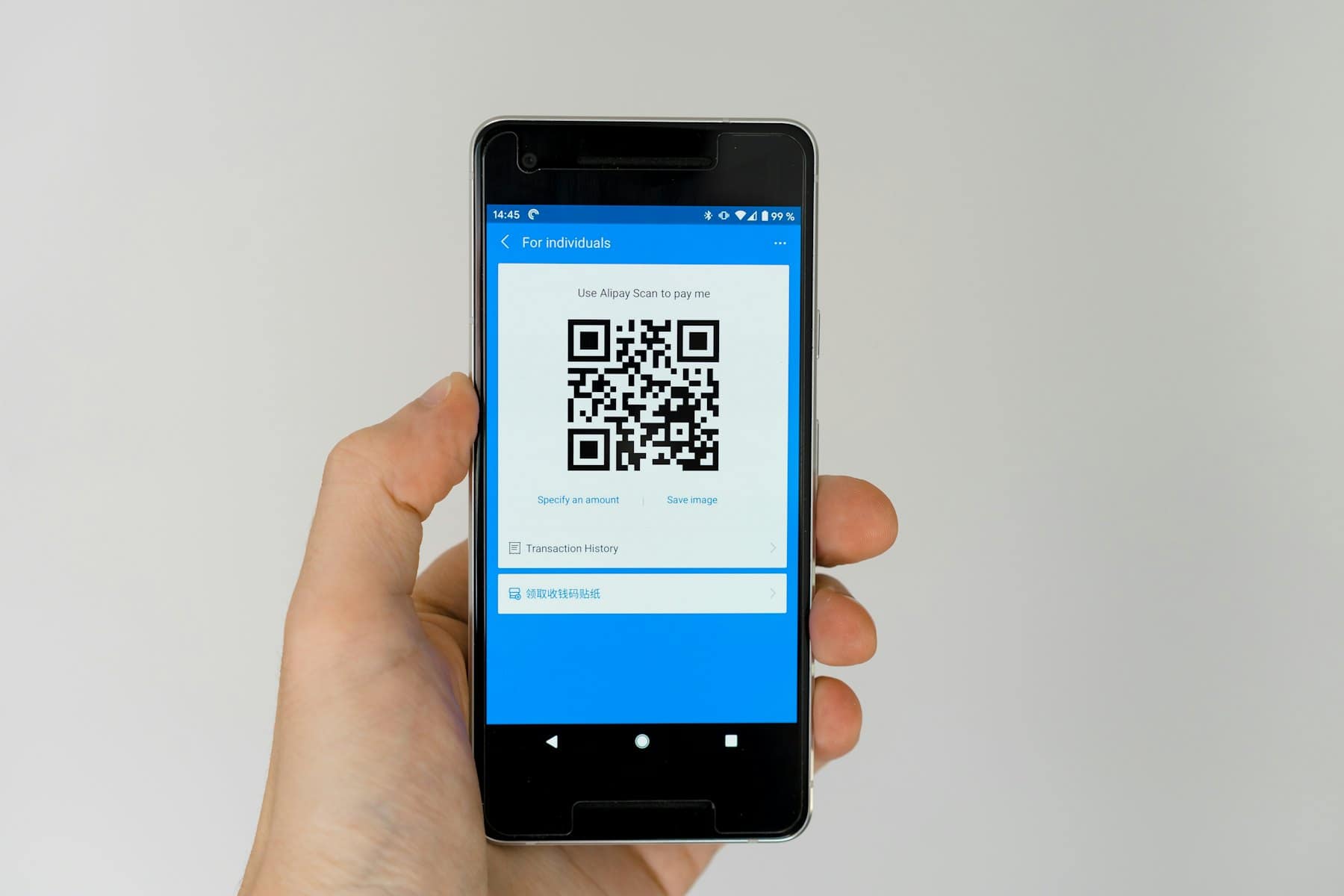
A lot of order-and-pay systems rotate the code on the table. Each day, or each week, the code changes, so a photo of yesterday's code stops working. The reason is reasonable: a code that lives forever can be scanned from the street, and a venue does not want orders from someone who is not sitting at the table.
The cost is paper. New cards every week, stands that look tired by Thursday, and a manager whose Monday starts with a printer.
What we did instead
Brilliant Gastro asked us for codes they could engrave on metal plates, one per table, and never touch again. So the address on the plate carries nothing but the venue and the table number. No daily code, no expiry.
The protection moved to the server. The venue's opening hours and kitchen hours are enforced when an order is placed, so a scan at two in the morning gets a closed sign, not a ticket. Each order is paid before it exists, so a prank scan costs the prankster money and the kitchen nothing. And the table numbers on the plates are protected in the dashboard: renaming or deleting one asks twice, because a plate cannot be re-engraved by accident.
The check we run
Because a plate is permanent, we treat the address on it as a promise. There is a script that checks every engraved address still loads, every table still exists, and the venue still accepts permanent codes. We run it after any change to tables or routes. It takes a few seconds and it has never been the wrong call.
If you want paper, paper still works. But if you want to engrave, you can.